Tea Chapter Trading Pte Ltd

Tea Chapter Trading Pte Ltd — Etymology The etymology of the various words for tea reflects the history of transmission of tea drinking and trade from China. [14] Nearly all of the words for tea worldwide fall into three broad groups: te, cha and chai, present in English as tea, cha or char, and chai. Black tea is one of the most researched tea varieties, and much of the research is inconclusive. However, systematic reviews show that it may potentially have a small beneficial impact on blood pressure, type 2 diabetes risk, and the cholesterol profile (2, 3, 4). Tea, beverage produced by seeping in freshly boiled water the young leaves and leaf buds of the tea plant, Camellia sinensis. Two main varieties are used, the China plant (C. sinensis variety sinensis) and the Assam plant (C. sinensis variety assamica). The healthiest types of tea include green tea for weight loss and heart health, and peppermint tea for digestive relief. Chamomile tea promotes relaxation. Scientists can't say for sure yet if tea is good for health. However, the overall evidence on tea consumption indicates a potential benefit. Drinking tea is linked to reduced risks for heart disease, high blood pressure, stroke, diabetes, dementia, stress, and early death.
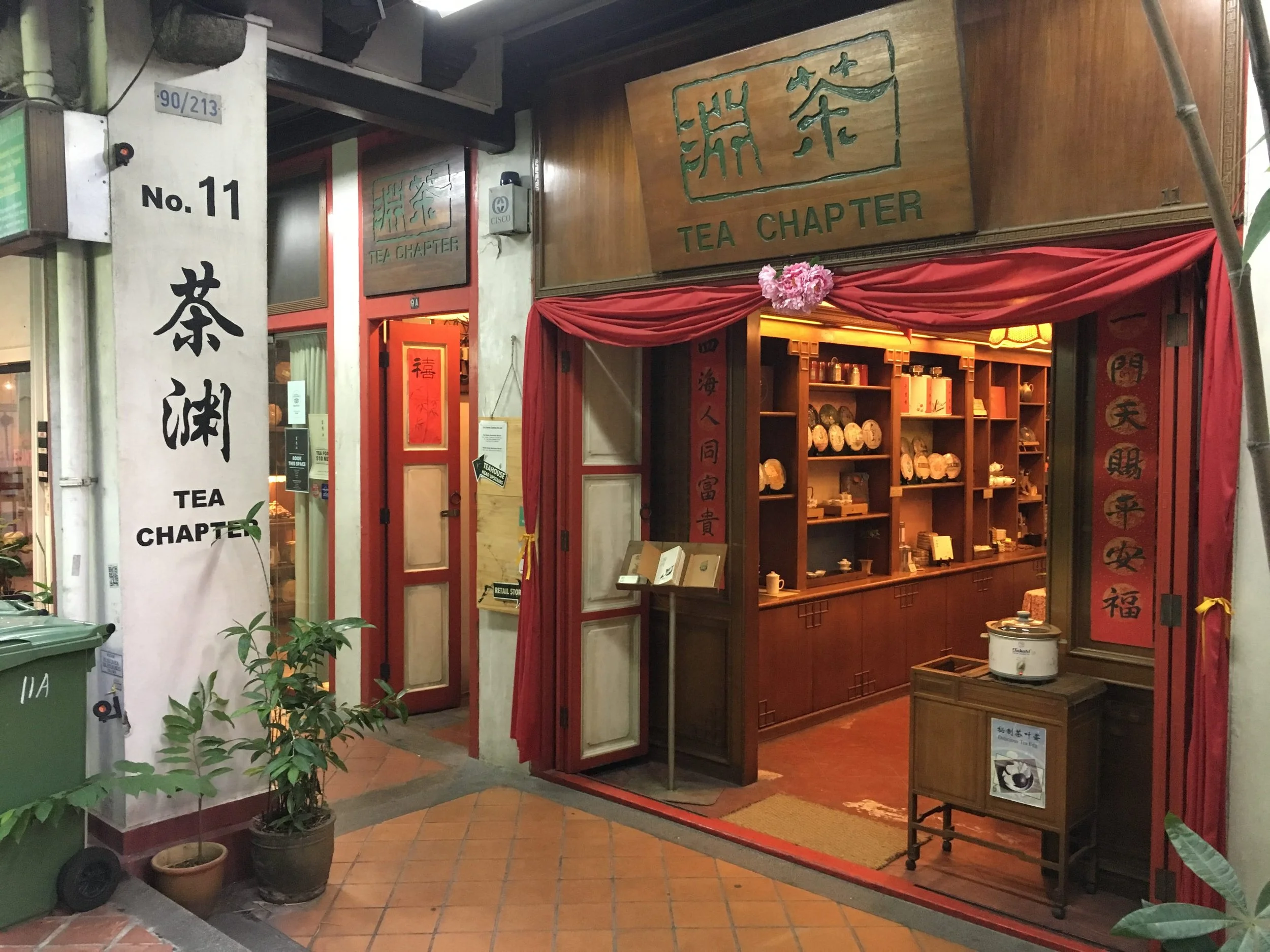
According to Cha Jing, tea drinking was widespread. The book describes how tea plants were grown, the leaves processed, and tea prepared as a beverage. It also describes how tea was evaluated. The book also discusses where the best tea leaves were produced. Discover all types of tea from the Camellia sinensis plant. Learn about black, green, white, oolong, pu-erh, and yellow teas - their processing, flavors, and characteristics. | How Long Is Chapter 1 Rdr2 .ร้าน Tea Chapter Trading Pte Ltd | รีวิวร้านอาหาร

7 Must-Visit Japan Themed Cafés in Singapore — NANI?! なに - Your Bite
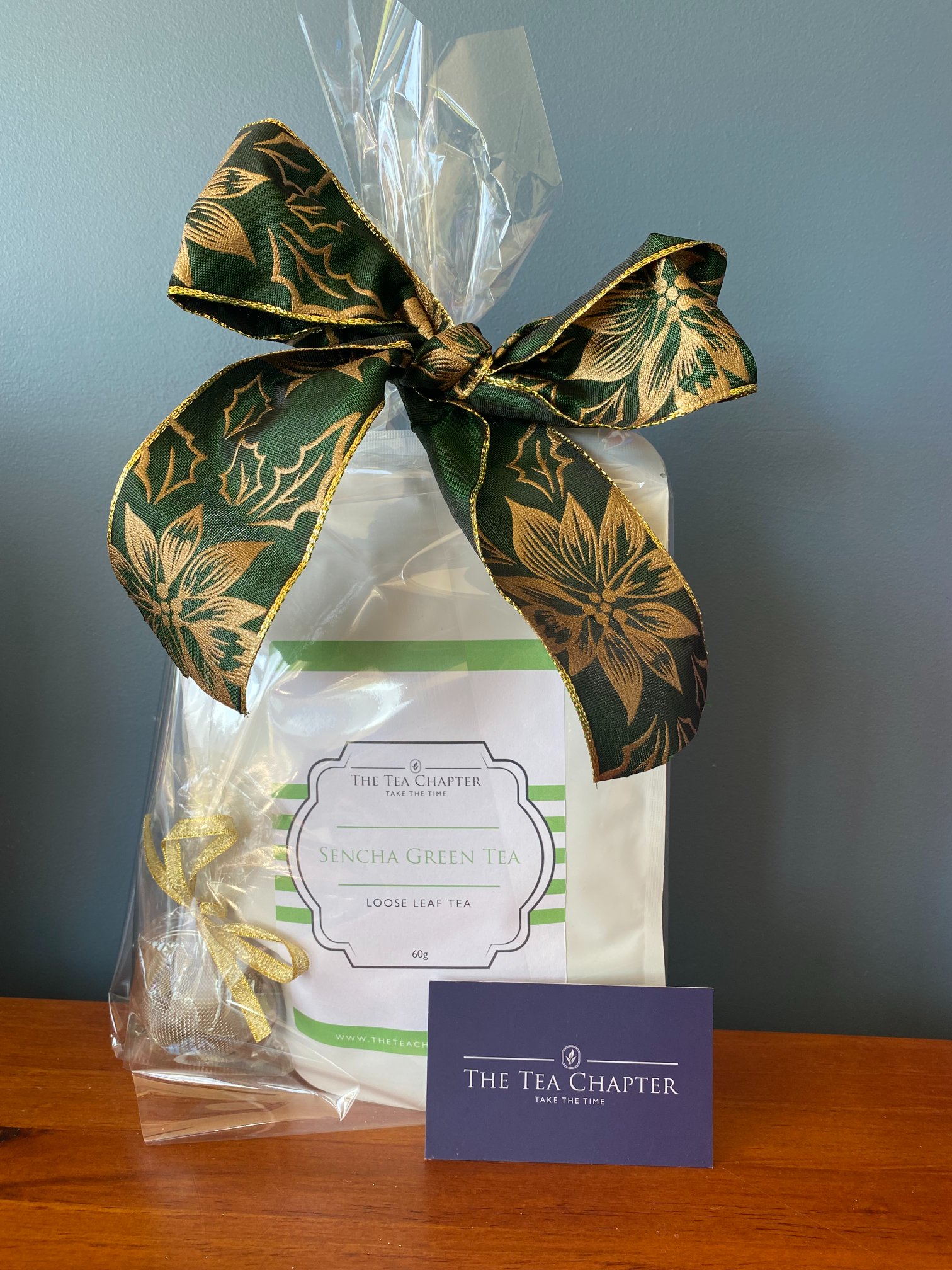
Tea Chapter - ️Webstore promo alert ️ Explore the... | Facebook

The Tea Chapter
[싱가폴 일상] 싱가포르 다도 체험/ 영국 엘리자베스 여왕이 방문한 Tea Chapter/닐로드 찻집
![[싱가폴 일상] 싱가포르 다도 체험/ 영국 엘리자베스 여왕이 방문한 Tea Chapter/닐로드 찻집](https://blog.kakaocdn.net/dn/blotWZ/btq3GEzoTG9/QkqKklabG0ibhVYFQ5t0mk/img.jpg "[싱가폴 일상] 싱가포르 다도 체험/ 영국 엘리자베스 여왕이 방문한 Tea Chapter/닐로드 찻집")