Fha Bankruptcy Waiting Period Chapter 7
Fha Bankruptcy Waiting Period Chapter 7 — What Is the FHA Bankruptcy Waiting Period? The Federal Housing Administration (FHA) bankruptcy waiting period is a compulsory interval after a significant credit event, like bankruptcy, before a ... The Federal Housing Administration (FHA) provides mortgage insurance on single-family, multifamily, manufactured home, and hospital loans made by FHA-approved lenders throughout the United States and its territories. An FHA loan is a type of mortgage popular with first-time home buyers. FHA loans are government-backed, meaning a government entity insures them. This entity is the Federal Housing Administration. The Federal Housing Administration (FHA), also known as the Office of Housing within the Department of Housing and Urban Development (HUD), is a United States government agency founded by President Franklin Delano Roosevelt, created in part by the National Housing Act of 1934. A Federal Housing Administration (FHA) loan is a government-insured mortgage issued by an FHA-approved lender to help borrowers who don't meet conventional standards.
What is an FHA loan? An FHA loan is a mortgage that is insured by the Federal Housing Administration (FHA) and offered by private FHA mortgage lenders. FHA loans let you buy a home with just 3.5% down. Learn what an FHA loan is, how it works, requirements, costs, and how to apply. The FHA, or Federal Housing Administration, provides mortgage insurance on loans made by FHA-approved lenders. FHA insures these loans on single family and multi-family homes in the United States and its territories. An FHA loan is a mortgage insured by the FHA, but the loan requirements are set by the U.S. Department of Housing and Urban Development (HUD). FHA-approved lenders can provide home loans to borrowers with low credit scores and small down payments — many of whom can’t qualify for a conventional loan. | The 2Nd Chapter Of Acts .An FHA loan is a mortgage insured by the FHA, but the loan requirements are set by the U.S. Department of Housing and Urban Development (HUD). FHA-approved lenders can provide home loans to borrowers with low credit scores and small down payments — many of whom can’t qualify for a conventional loan. - Fha Bankruptcy Waiting Period Chapter 7
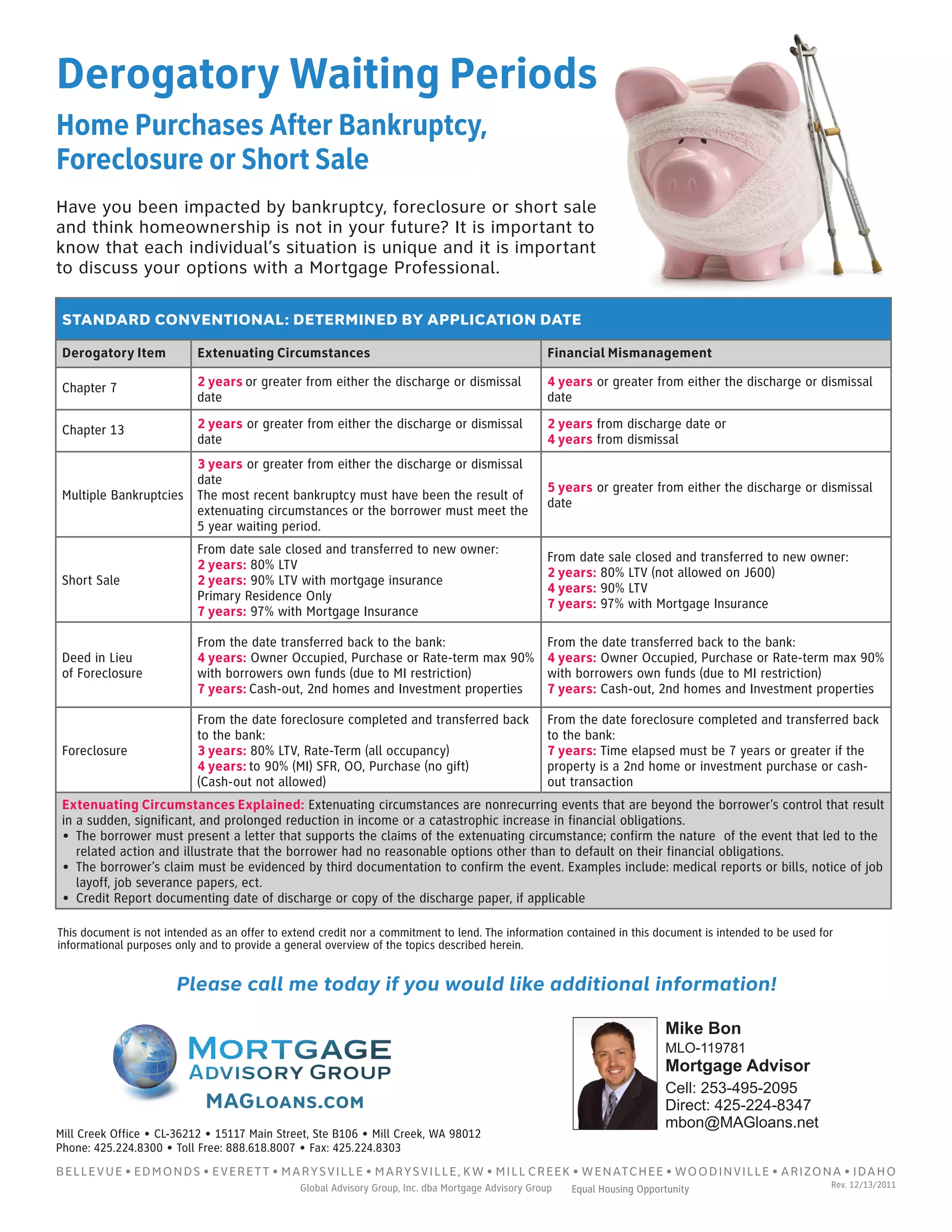
Mortgage After Bankrutpcy Foreclosure or Shortsale | Your Mortgage Guy
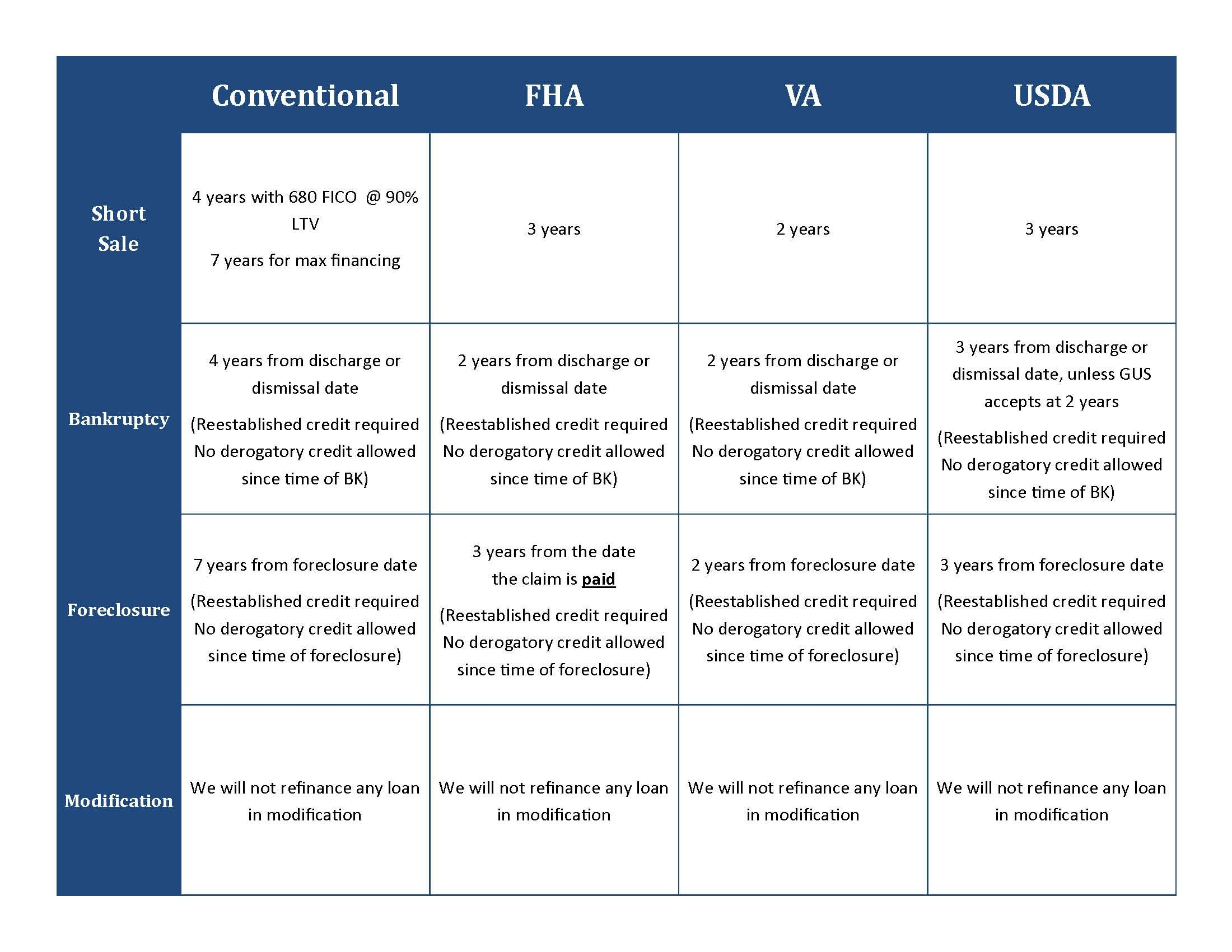
FHA Bankruptcy Waiting Period | Definition and Exceptions

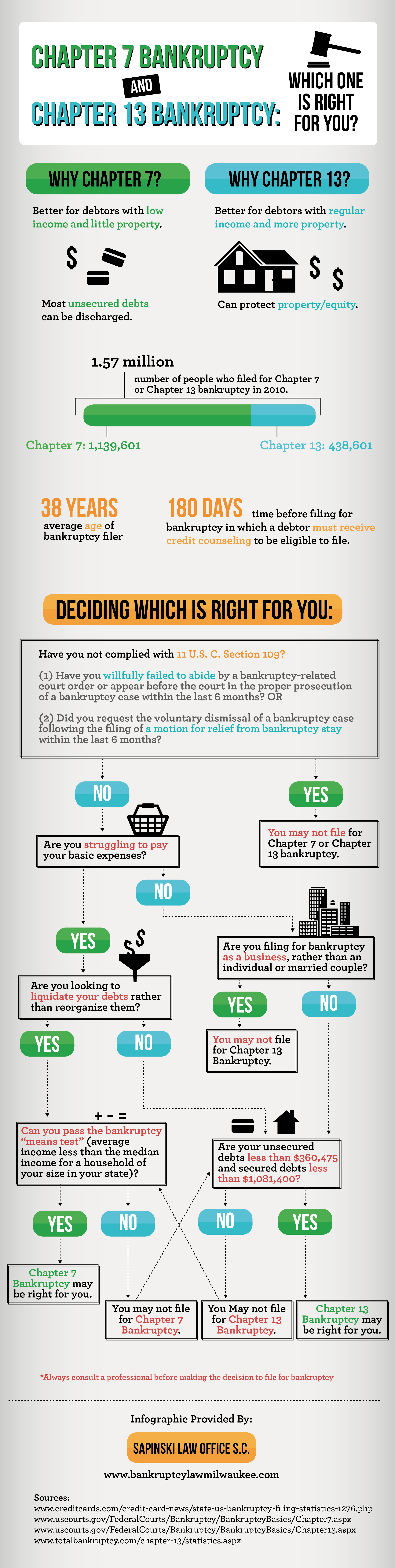
Switching From a Chapter 13 to a Chapter 7 - John T. Orcutt - What You
FHA Loan After Bankruptcy: Waiting Periods and Requirements

Chapter 7 Bankruptcy