Best Vitamin Brand Australia
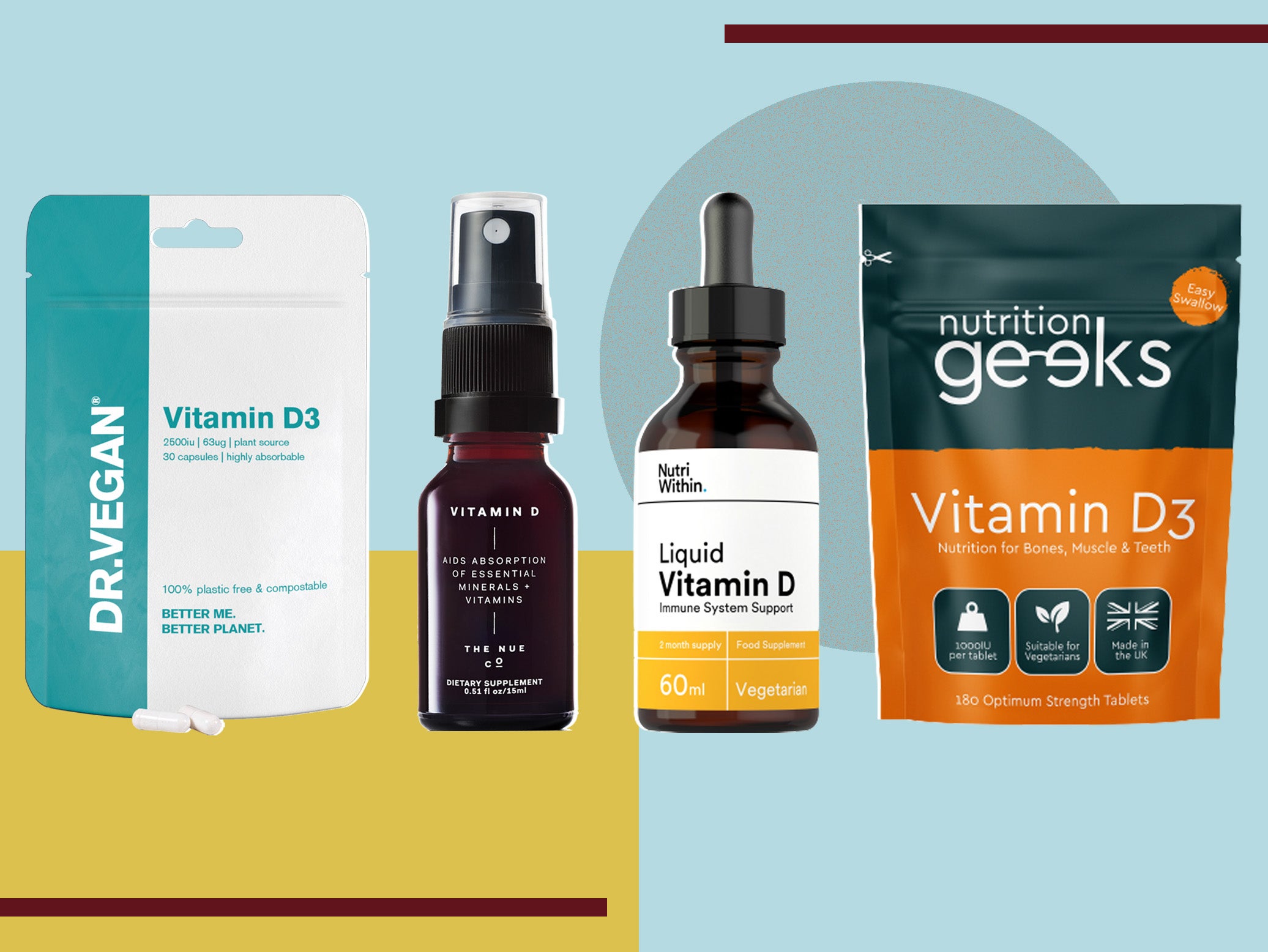
Best Vitamin Brand Australia — Kirin has agreed to acquire Australian vitamins brand Blackmores for AUD1.88bn ($1.24bn) in a move to expand the Japanese brewer’s health products portfolio. The vitamin and infant-formula company ... Multivitamins contain several vitamins and minerals in varying amounts, depending on the brand and the population it targets. Australia is not short of supplement brands, or of new ones trying to unseat the incumbents. The premium all-in-one shelf alone has AG1 and IM8 chasing the same customer, and ... Vitamins are organic molecules (or a set of closely related molecules called vitamers) that are essential to an organism in small quantities for proper metabolic function. These essential nutrients cannot be synthesized in the organism in sufficient quantities for survival, and therefore must be obtained through consumption. Vitamins are usually designated by selected letters of the alphabet, as in vitamin D or vitamin C, though they are also designated by chemical names, such as niacin and folic acid. Biochemists traditionally separate them into two groups, the water-soluble vitamins and the fat-soluble vitamins.
Vitamins are organic compounds that living organisms require in small amounts for the normal growth, metabolism, and health. Unlike carbohydrates, proteins, and fats, vitamins do not provide energy or serve as structural building blocks. In this article, we will explore the 10 most important vitamins, their functions, their sources, and why they are so critical for survival. Along the way, we’ll uncover how these microscopic nutrients hold the key to vitality, longevity, and the prevention of disease. 1. Vitamin A – The Vision and Growth Vitamin. Thinking about upping your intake? Our experts explain when and why it actually pays off. Get dietician-backed tips on making the macro math work—without overdoing it. Need an Energy Reset? Stack These Key Supplements. Trusted by nutritionists. Designed to keep your energy locked in—and you on track. Why The Vitamin Shoppe ®? | Deltarune Easter Eggs Chapter 1 .Vitamin B Complex Liquid Drops 60mL | B12 5000 mcg, B6 3400 mcg, B1

Vitamins And Minerals

17 Top Multivitamins for Women in Menopause

Vitamin D Supplements
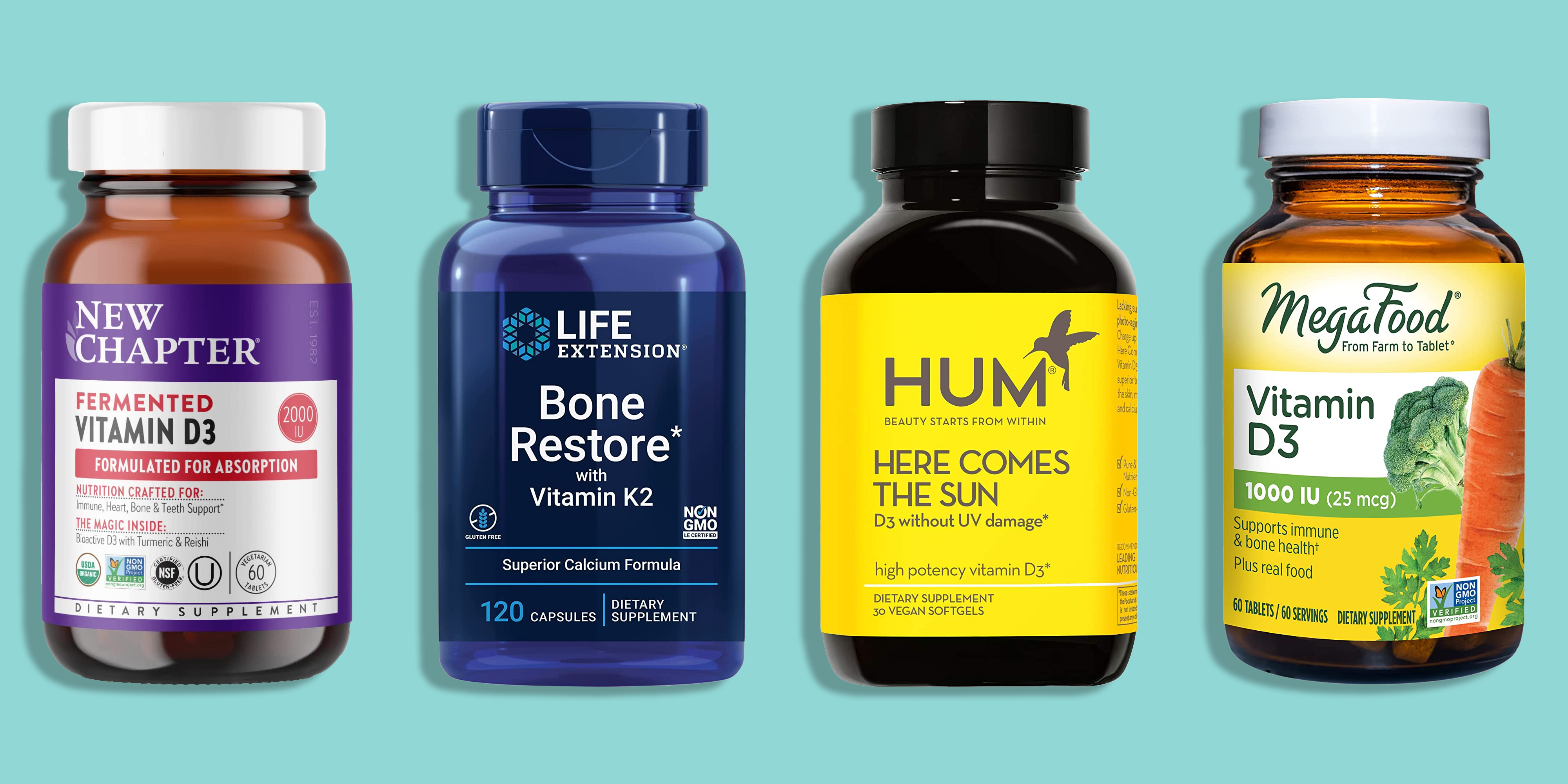
What Is A Good Vitamin Supplement Brand
